
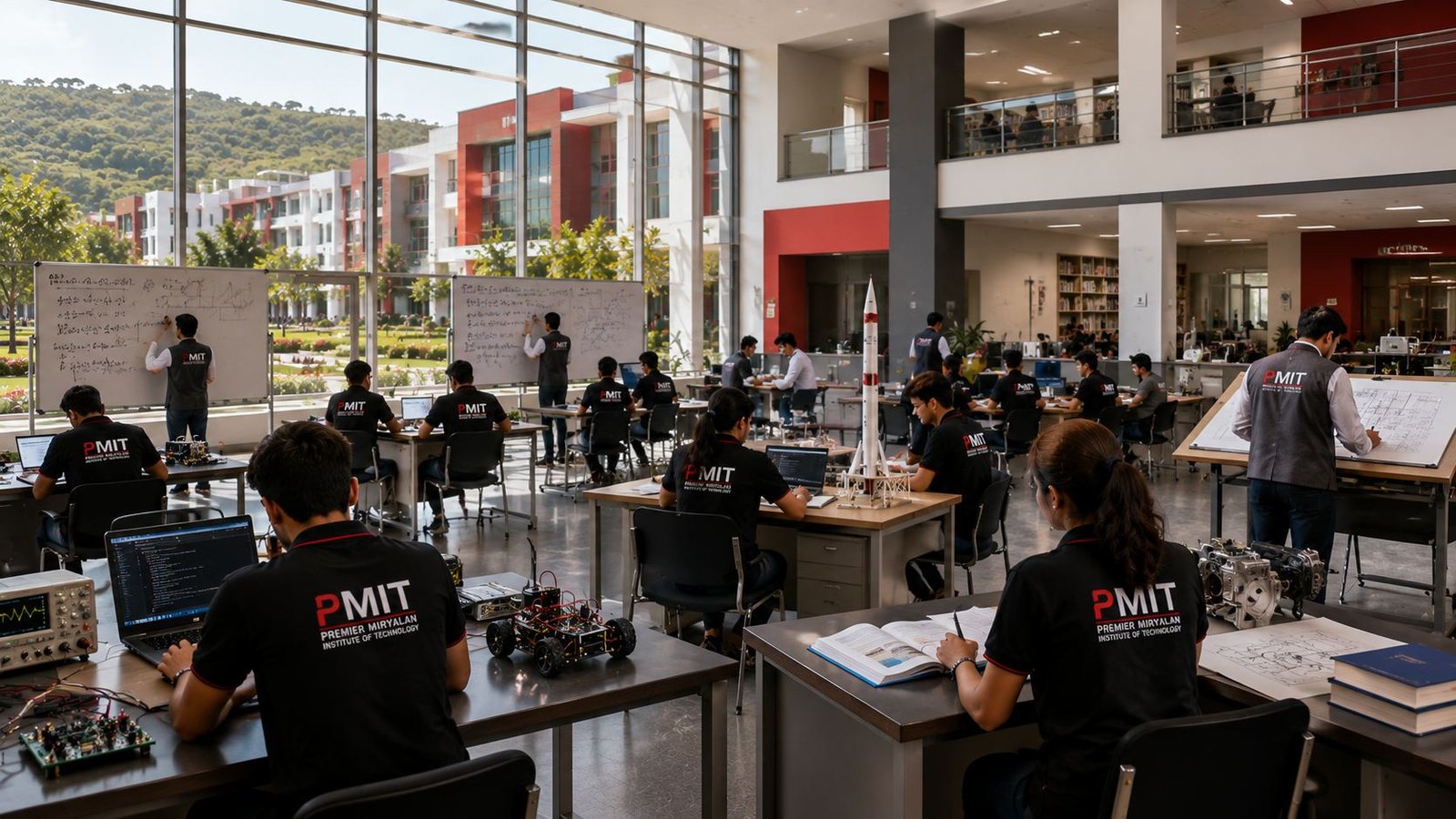
 CADD — Computer-Aided Design & Drafting
Develop digital drafting, modelling, and engineering design skills using suitable CAD software.
Read more →
CADD — Computer-Aided Design & Drafting
Develop digital drafting, modelling, and engineering design skills using suitable CAD software.
Read more →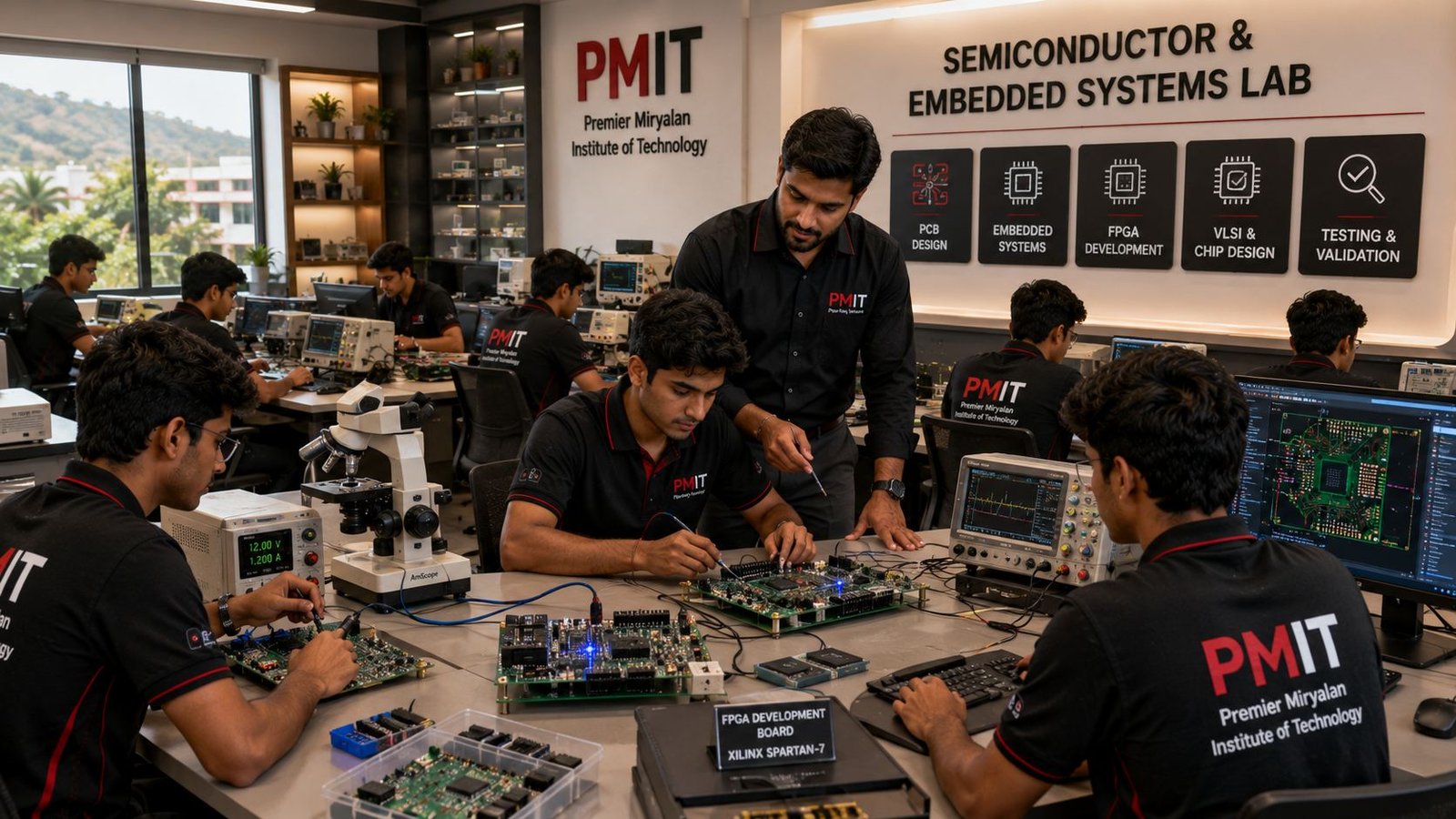
Building Skills for the Industries of Tomorrow
Learn skills you can apply.
Technology and engineering careers increasingly require practical capabilities alongside academic qualifications. PMIT's skill development programmes introduce learners to specialised tools, technical workflows, and applied learning.
CADD — Computer-Aided Design & Drafting
Develop digital drafting, modelling, and engineering design skills using suitable CAD software.
Read more →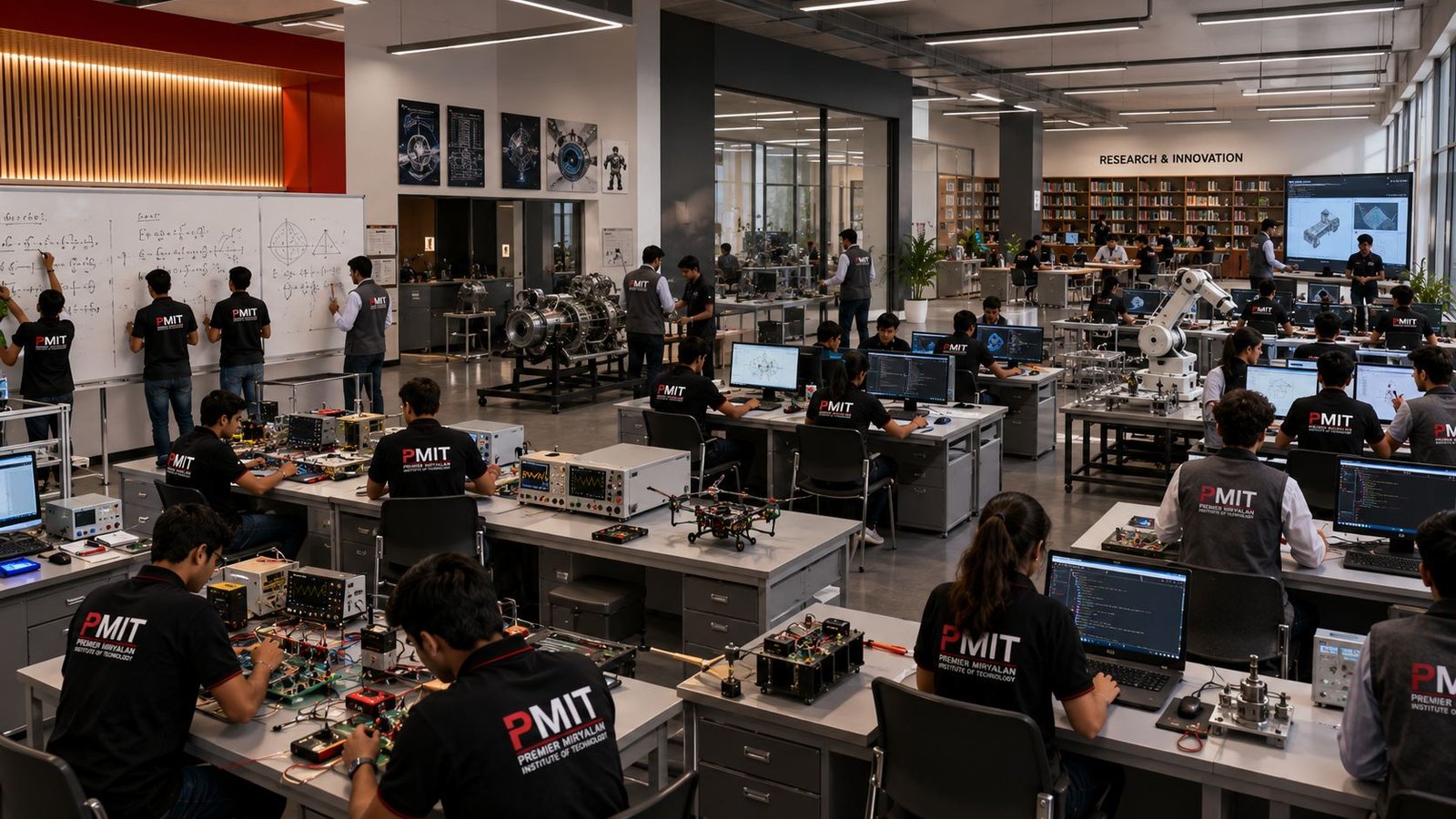 Engineering Analysis
Learn methods used to evaluate engineering problems, interpret results, and support technical decisions.
Read more →
Engineering Analysis
Learn methods used to evaluate engineering problems, interpret results, and support technical decisions.
Read more →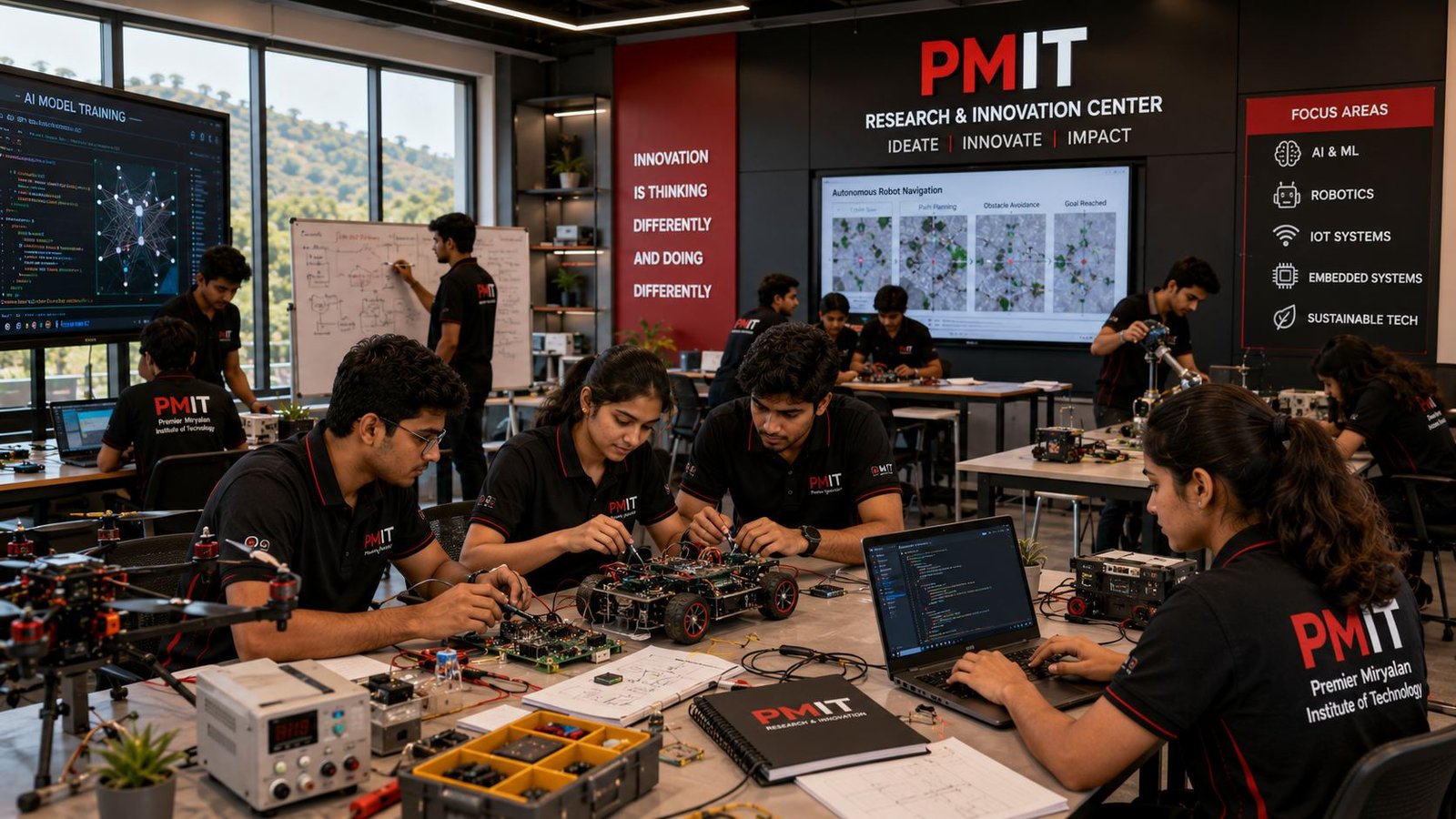 Engineering Simulation — FEA & CFD
Understand how computer simulations help evaluate structural performance, fluid flow, and thermal behaviour before physical testing or manufacturing.
Read more →VLSI Design
Learn about semiconductor design and integrated circuits through guided technical learning and design exercises.
Read more →
Engineering Simulation — FEA & CFD
Understand how computer simulations help evaluate structural performance, fluid flow, and thermal behaviour before physical testing or manufacturing.
Read more →VLSI Design
Learn about semiconductor design and integrated circuits through guided technical learning and design exercises.
Read more →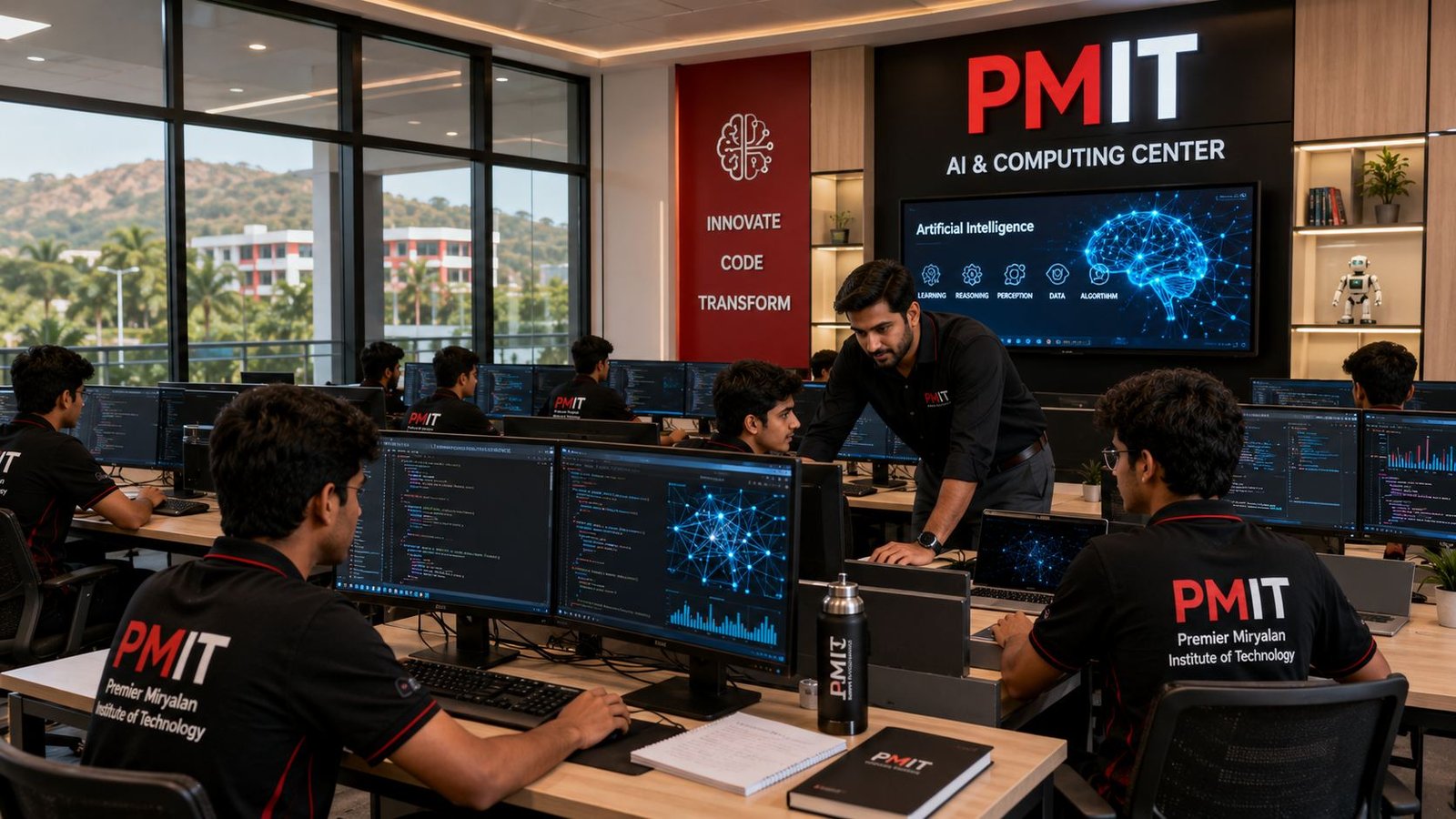 Embedded Systems & AI
Explore how electronics, software, sensors, and intelligent computing work together.
Read more →
Embedded Systems & AI
Explore how electronics, software, sensors, and intelligent computing work together.
Read more →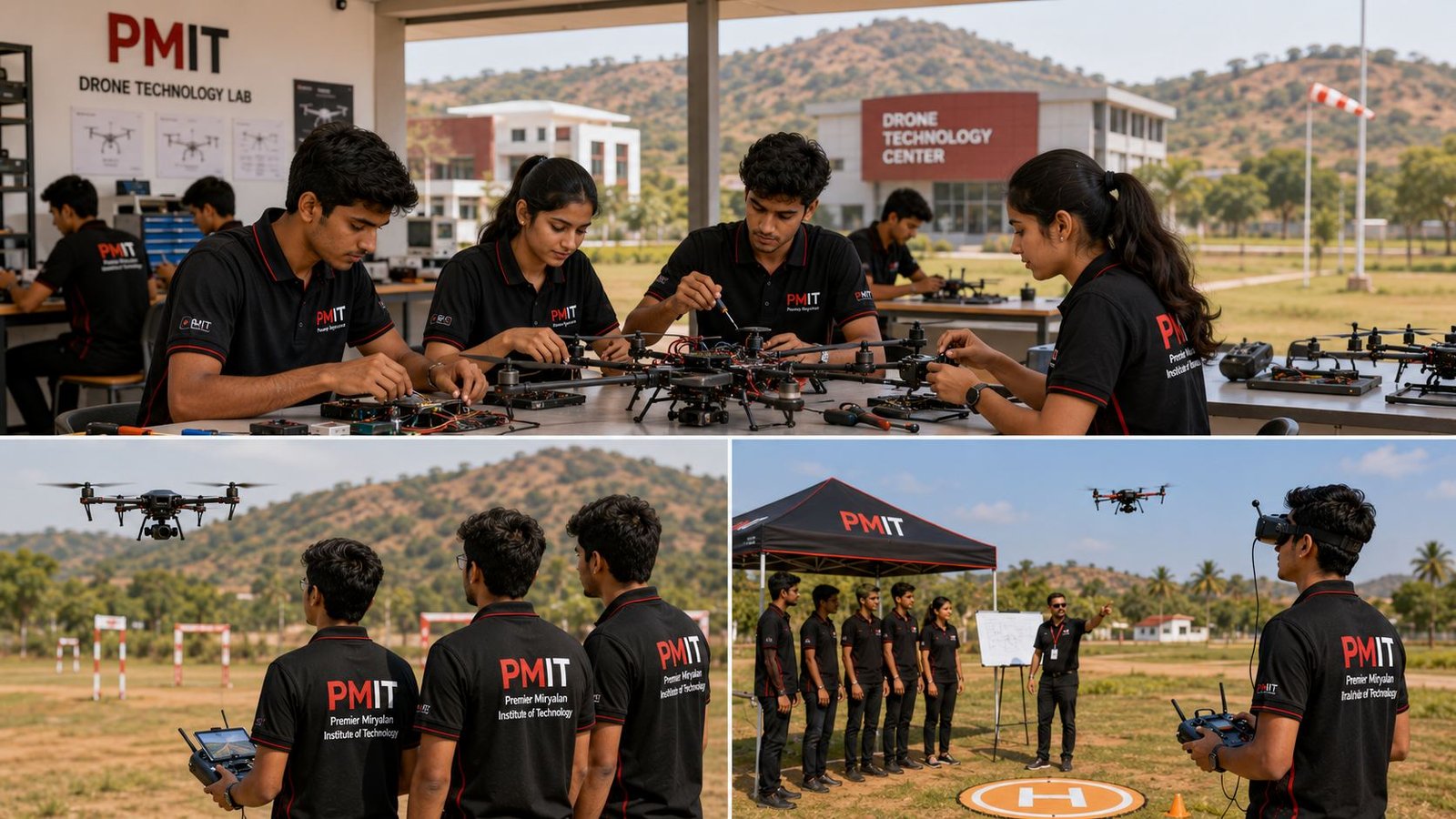 Drone Piloting
Understand UAV operations, flight safety, equipment, mission planning, and practical applications across agriculture, mapping, inspection, and aerial imaging.
Read more →
Drone Piloting
Understand UAV operations, flight safety, equipment, mission planning, and practical applications across agriculture, mapping, inspection, and aerial imaging.
Read more →How PMIT helps skill development learners
- Understand what each technology does and where it is applied.
- Choose a programme aligned with existing knowledge and career goals.
- Develop practical familiarity through guided exercises and projects, where offered.
- Learn how technical tools support real engineering workflows.
- Build a portfolio of completed work where appropriate.
- Identify further training and potential career pathways.
Course information on this page is PMIT's own. Official examination notices always take precedence — see the Examination Calendar.
Duration & Hours
Common Structure — 288 Hours
The same four-part structure applies identically across every track — Artificial Intelligence & ML, VLSI Design, Embedded Systems & IoT, Drone Technology, CAD, CAE/FEA, CFD and Robotics & Automation.
Per-track breakdown
288 hrs total
Teaching — 144h
Assessment — 24h
Practical — 66h
Project — 54h
Delivery Format
- Full technical tracks (VLSI, AI & Embedded Systems, Drone Pilot Training, FEA/CFD): 10–12 months, Weekend / Evening / Semester-Integrated delivery
- Value-added tracks (Animation & Multimedia and similar): 4–6 months, Semester-Integrated / Weekend / Value-Added delivery
Programmes Offered
Eight tracks across future technology domains
Artificial Intelligence & ML
- Python Programming
- Machine Learning
- Deep Learning
- Computer Vision
- NLP
VLSI Design
- Digital Electronics
- CMOS Technology
- Verilog HDL
- FPGA Basics
Embedded Systems & IoT
- Microcontrollers
- Embedded C
- ARM Architecture
- IoT Communication
Drone Technology & Pilot Training
- Flight Mechanics
- UAV Components
- Mission Planning
- Safety & Regulations
CAD Engineering Design
- AutoCAD
- SolidWorks
- Product Design
- Engineering Drawings
CAE & Finite Element Analysis
- Structural Analysis
- Stress & Strain
- Mesh Generation
CFD — Computational Fluid Dynamics
- Aerodynamics
- Heat Transfer
- Thermal Analysis
Robotics & Automation
- Sensors
- Motion Control
- Robot Programming
Career Opportunities After Training
AI & Computing
- AI Engineer
- ML Engineer
- Data Analyst
Semiconductor & Electronics
- VLSI Design Engineer
- Embedded Systems Engineer
Mechanical & Product Design
- CAD Design Engineer
- CFD Engineer
Drone & Autonomous Systems
- Drone Pilot
- UAV Operations Engineer
Internship, employment and placement opportunities depend on student performance, employer requirements and market conditions. PMIT does not guarantee internships or employment.